Deciding What to Keep, Donate, Sell or Recycle
Sorting a loved one’s belongings is emotional and can feel overwhelming. To make it easier, break decisions into clear groups. Start by deciding what to keep, donate, sell or recycle. Keep items that are truly special, useful or needed for legal reasons. Donate good quality items to charities that reflect their interests or beliefs.
Sell things that have value but are no longer wanted in the family. Recycle or dispose of broken, unsafe or very worn items using local council services. Take your time, work in small sessions and ask a trusted friend, family member or house clearance service to support you. Remember that every small decision moves you forward and there is no single right way to approach this.
Respecting Personal and Sentimental Items
Personal and sentimental items can be the hardest things to sort through after a death. They hold memories, stories and parts of your loved one’s identity. Give yourself permission to slow down with these belongings. Set aside anything that feels too painful to decide on and return to it later. When you can, look at each item and ask what it meant to the person and what it means to you now. It may help to choose just a few special pieces from larger collections, such as ornaments, photos or letters. Consider sharing items with other family members so memories are spread, not carried by one person alone.
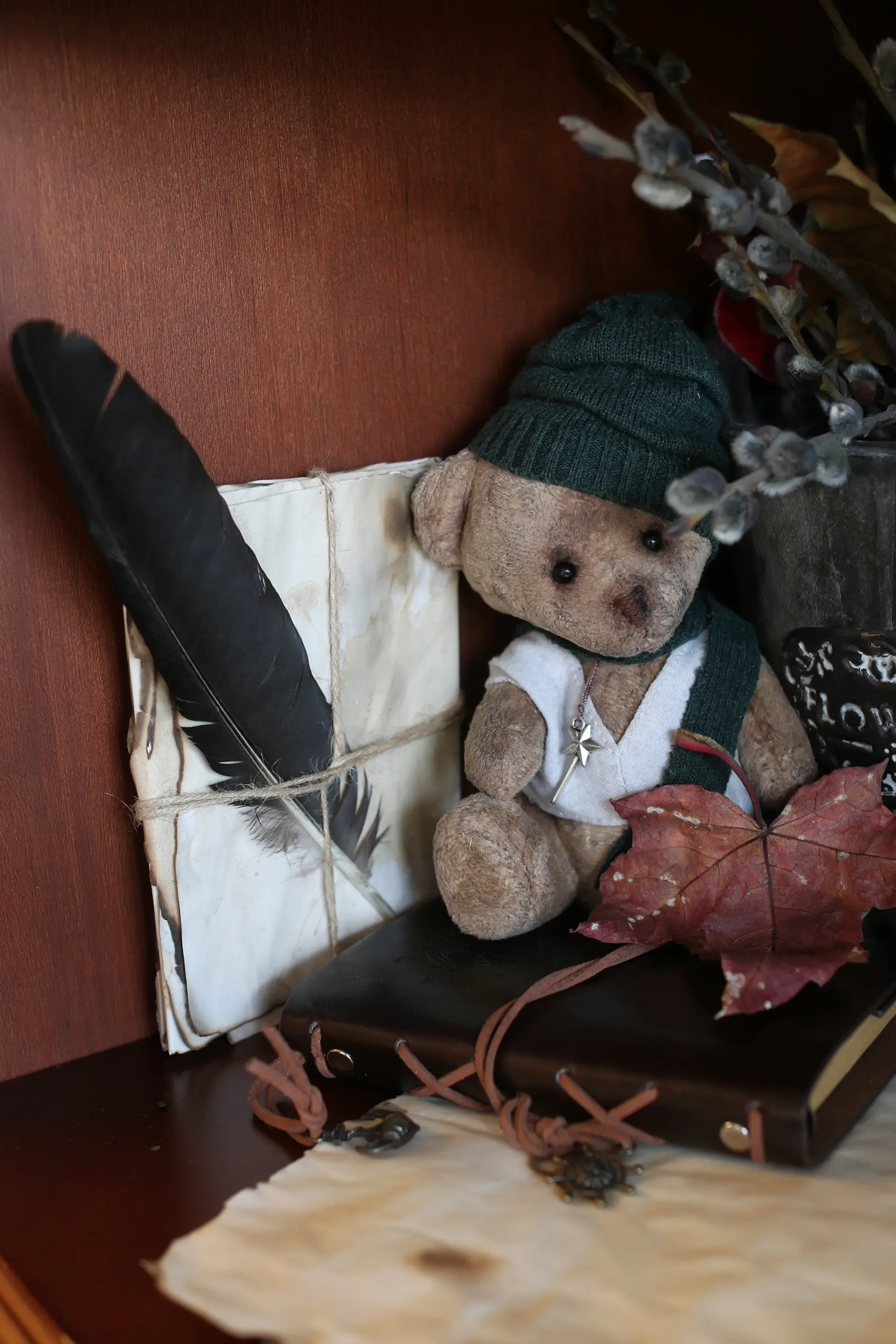
If disagreements arise, try to listen calmly and focus on what your loved one would have wanted. A neutral friend, mediator or professional organiser can help when emotions run high. Above all, treat each item with care, even if you decide to pass it on or let it go. Some families like to create small rituals when handling sentimental pieces. You might light a candle, play your loved one’s favourite music or say a few words of thanks before letting something go.
Taking photos of items before they are donated can also preserve the memory without keeping the object itself. Label important things clearly so future generations know who they belonged to and why they matter. Doing this gently and thoughtfully honours both your grief and their life. Try not to rush these choices, especially in the first months of deep loss.
Handling Clothes, Jewellery and Keepsakes
Clothes, jewellery and small keepsakes often carry strong memories of daily life. Start by sorting clothes into groups: items to keep, share, donate or recycle. You may wish to keep a favourite coat, scarf or jumper that reminds you of them. Special jewellery should be checked for both money value and personal meaning. Consider having pieces valued before you decide what to do, especially if you plan to sell them.
Some families redesign jewellery so several people can share it. Small keepsakes, such as ticket stubs or keyrings, can be displayed in a memory box or frame. Choose carefully and try not to keep more than you can comfortably store and enjoy. Let your feelings guide you when choices hurt.
What to Do with Furniture and Large Items
Furniture and large items can be the most difficult things to deal with after someone has died. They take space, need lifting and often have strong memories attached. Begin by deciding what will be kept within the family home. Think about practical needs as well as feelings, and measure rooms so you know what will fit. Offer pieces to close family and friends first, especially items with clear sentimental value, such as a favourite chair or dining table. For items no one can take, contact local charities that collect furniture or social enterprises that reuse household goods. If items have money value, you may wish to ask an auction house or second hand dealer for advice.
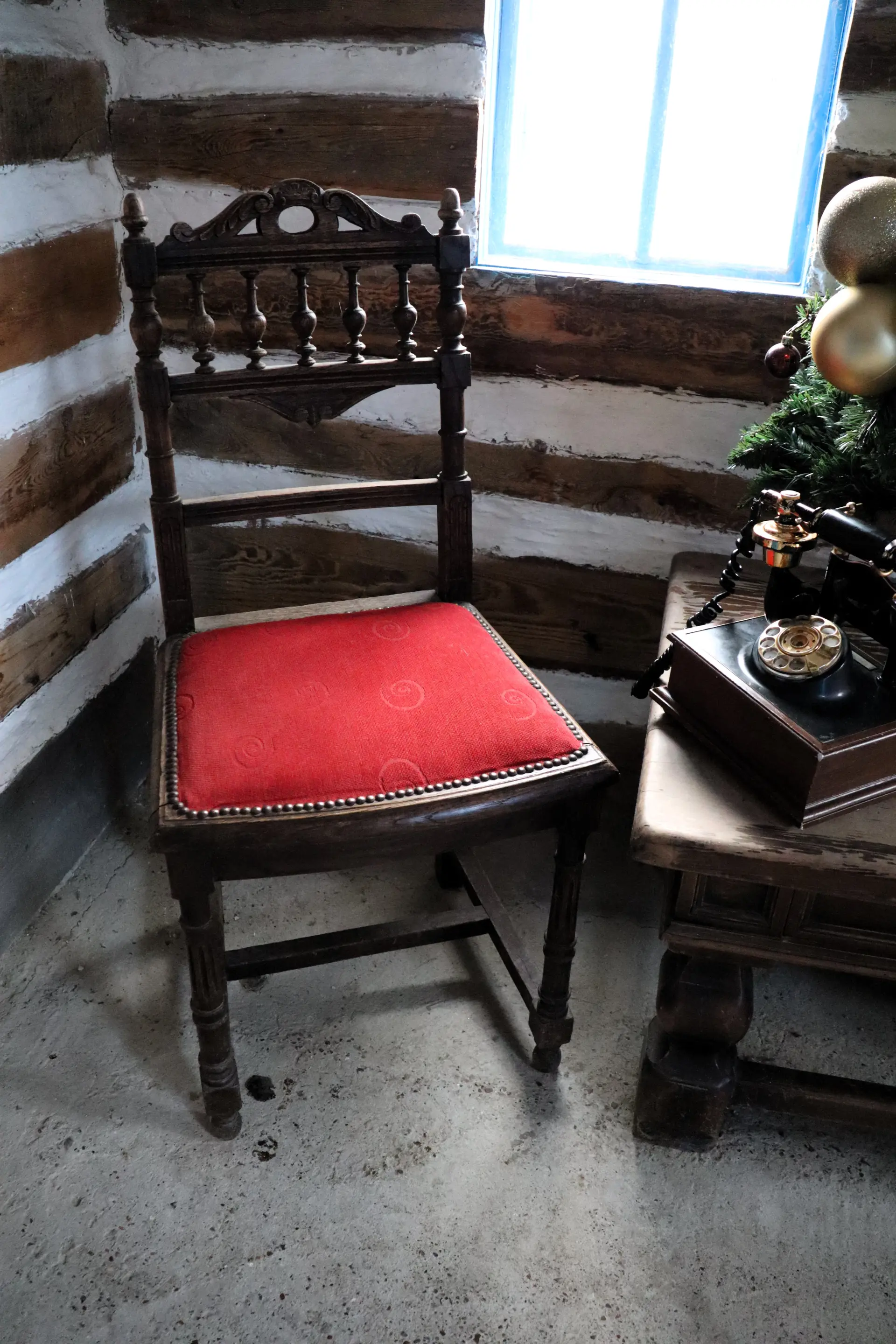
Always check for important documents, cash or keepsakes hidden in drawers, cushions or boxes before anything leaves the house. Where disposal is needed, use licensed waste carriers so heavy or damaged items are removed safely and legally. Taking photos of rooms before furniture is moved can help you remember how spaces once looked.
If letting go of a large piece feels painful, you might keep a small part, such as a drawer handle or a piece of fabric. This can be turned into a framed reminder or added to a memory box. Plan the timing of removals carefully, especially if the property is being sold. Spreading the work over several visits, and using a trusted house clearance team, can reduce physical strain and emotional shock. Give yourself breaks and stop when you feel overwhelmed.
When Items Have No Clear Home
Some belongings do not seem to have a clear place to go. They may be things no one wants, items linked to painful memories or objects whose story is unknown. Start by checking whether anything has legal or safety importance, such as keys or documents. Then ask yourself if each item truly adds comfort or meaning to your life. If not, it is usually kind to let it go. Unwanted items in good condition can be donated to charity shops, community groups or reuse centres.
Broken, unsafe or very worn items should be recycled or disposed of through local council services. Remember that releasing these things creates space for healing, rest and new chapters in your own life. New possibilities.
Local Business offers gentle, practical support with bereavement house clearance. We can help you sort belongings, decide what to keep, donate, sell or recycle, and handle clothes, jewellery, furniture and large items with care. Our team arranges removals, charity collections and responsible disposal, giving you space to grieve and move forward.