Handling Wills, Deeds and Legal Papers
After a death, it can feel hard to deal with legal papers and forms. Try to keep calm and work through things slowly. The will, house deeds, birth and marriage certificates, and any lasting power of attorney documents are usually the most urgent. Keep these together in a safe folder so they do not get lost or damaged
Only remove staples or clips if you really need to, as changes can cause confusion later. If something does not look complete, or you are unsure what it means, take a note and ask a solicitor or trusted adviser before you sign or send anything.
Sorting Documents Into Clear Groups
When you first face a large pile of papers, it can feel overwhelming. Try to bring all documents into one room and place them on a clear table or work surface. Have a pen, sticky notes, and a few boxes or bags ready for sorting. Start with key items such as the will, house deeds, life insurance policies, pensions, bank statements, and tax records. Put each of these in its own neat group so they can be checked first.
Next, make a group for regular bills, including gas, electric, water, council tax, phone, internet, and television services. Another group can hold personal items, such as letters, photographs, school reports, and small keepsakes that the family may wish to keep. Create a separate space for documents you do not recognise or fully understand.
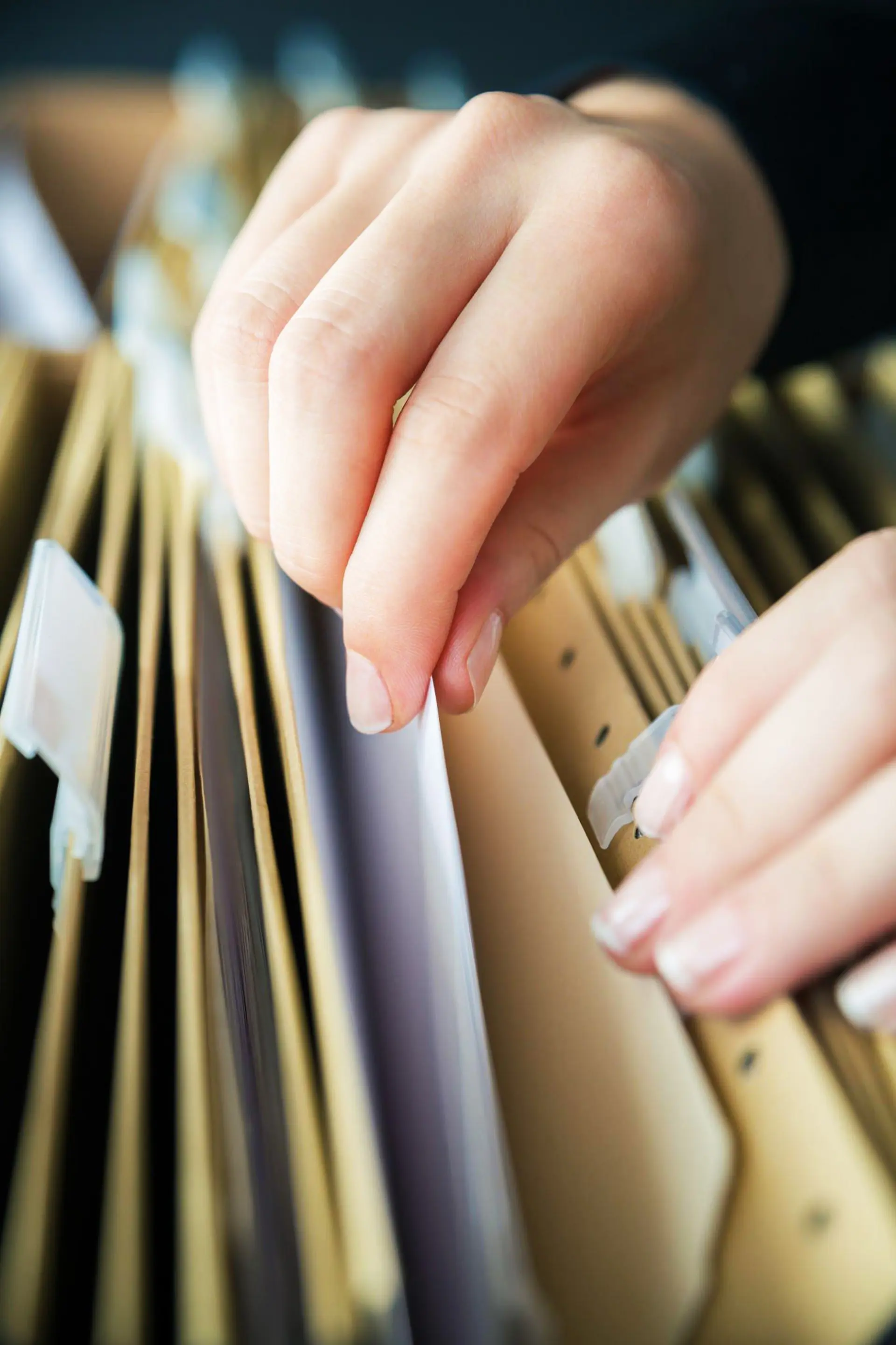
As you sort, label each group with a simple note, such as banking, house, bills, or personal. Work in short sessions if you feel tired or upset, and give yourself breaks. Moving slowly and carefully helps you avoid losing, misreading, or throwing away something that may still be needed later. You may also find documents for benefits, workplace schemes, memberships, or clubs.
Place these together so you can contact each organisation in turn. Keep all envelopes with return addresses, as they often show who you need to write or speak to. If there are digital printouts, such as online statements or emails, group these with the matching paper records so everything stays linked. This will make checks easier.
What to Keep, Store or Shred
Once documents are sorted, decide what must be kept, what can be stored, and what should be shredded. Keep the will, house deeds, life insurance and pension papers, recent bank statements, and important tax records. These may be needed for probate, claims, or future questions. Store copies of key identity documents, such as passports and driving licences, in a safe place.
Old gas, water, or phone bills can often be destroyed once final balances are paid and confirmed. Anything showing sort codes, account numbers, passwords, or personal details should be shredded, not placed in normal rubbish. This helps protect the estate and the family from fraud or identity theft later on. When unsure, keep the paper until you have advice.
Who Can Help You Check Important Papers
You are not expected to understand every document alone, especially when you are grieving. A solicitor can explain what the will means, guide you through probate, and check any legal forms before you sign them. Many people also use a specialist probate service, which can handle letters, claims, and official deadlines on your behalf. There is usually a cost, but it can remove pressure at a difficult time.
An accountant or financial adviser can help you understand pensions, tax, savings, and investments. They can explain which forms need to be filled in, which benefits can be claimed, and what records you should keep. If the person who died paid into a workplace pension, contact the employer or pension provider, as they often have a bereavement team who can guide you.
Banks, building societies, and insurance companies usually have clear bereavement departments. They will tell you which papers they need, such as the death certificate, will, or grant of probate. Many charities that support people after a death also provide free helplines or online guides.
You can also speak to Citizens Advice, who offer free, clear information about debts, benefits, and basic rights. Some local councils and community groups have bereavement support workers who can answer simple questions about forms and letters. Trusted friends or relatives may help you stay calm and organised while professionals handle legal details. if needed.
Storing Important Documents Safely
After sorting and checking, it is vital to store important documents in a safe and tidy way. Choose a lockable box, drawer, or small home safe in a dry part of the house. Keep the will, deeds, insurance papers, and main bank details together in clear plastic wallets or folders. Do not fold or staple originals, as this can damage them.
Make photocopies or scanned versions for everyday reference, and keep digital files on a secure device with a strong password. Tell at least one trusted person, such as the executor or a close relative, where the papers are kept. This means they can be found quickly if something urgent happens in future. Check yearly and remove any old papers.
Our bereavement support service helps you sort, group and prioritise important documents after a death. We can organise wills, deeds, bills and statements, arrange secure shredding, and suggest safe storage options. We also work alongside solicitors, banks and advisers to make sure the right papers reach the right people at the right time.